
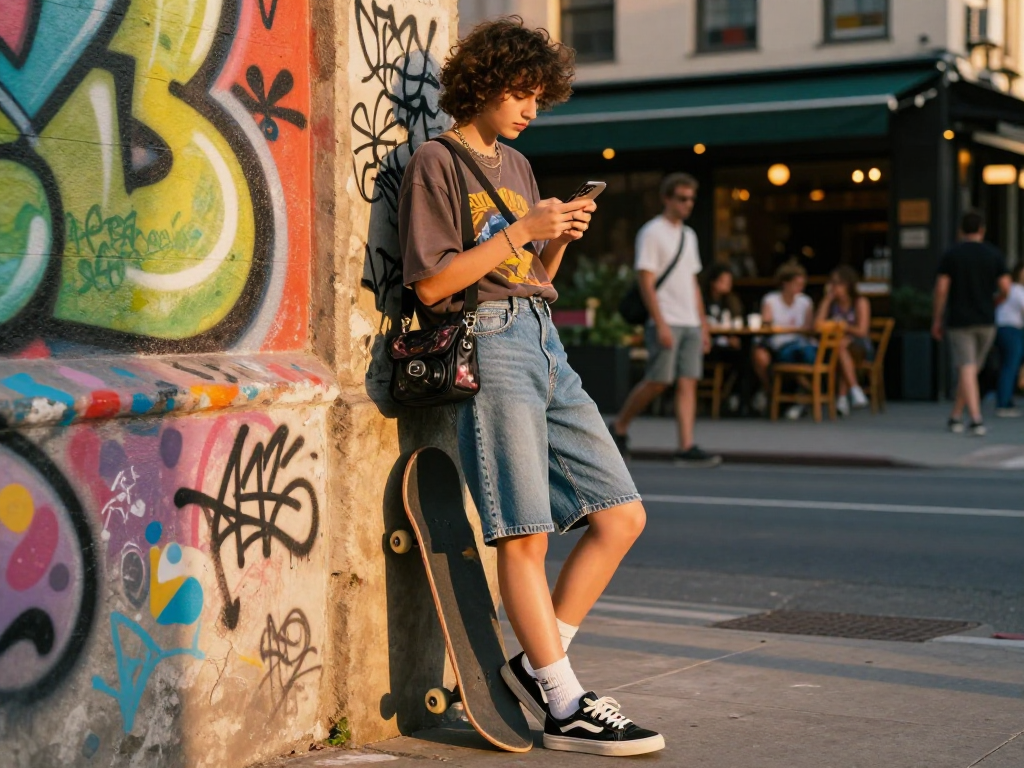
The Evolution of Fashion in the Age of AI Slut
The fashion industry is undergoing a dramatic transformation, fueled by advancements in artificial intelligence (AI). As we enter a new era marked by AI-driven innovations, understanding the interplay between technology and style becomes crucial for brands and consumers alike. This article delves into how AI is reshaping contemporary fashion trends, enhancing consumer behavior, and facilitating personal expression within the industry. In this context, the term ai slut symbolizes the intersection of avant-garde fashion and technology, paving the way for unprecedented creativity and personalization.
Understanding AI's Role in Contemporary Fashion Trends
With AI's influence rapidly expanding, traditional fashion paradigms are challenged and redefined. AI algorithms analyze vast amounts of data, uncovering consumer preferences and predicting trends with remarkable accuracy. For instance, platforms leveraging machine learning can analyze social media interactions and sales data to identify emerging styles before they hit the mainstream. Brands like H&M and Zara utilize AI to manage inventory efficiently, ensuring that popular styles are available while minimizing waste.
How AI is Reshaping Consumer Behavior and Style Choices
Consumers today are increasingly influenced by AI-driven recommendations. Personalized shopping experiences are at the forefront, as AI tools gather data regarding individual preferences, past purchases, and browsing behavior. This not only enhances the consumer journey but also drives sales conversion rates. For example, retail giants like Amazon and ASOS employ recommendation engines that guide users toward items they are likely to purchase, creating a more engaging shopping experience.
Exploring the Intersection of Technology and Personal Expression
The integration of AI in fashion goes beyond consumer behavior; it also fosters individual creativity. Tools such as virtual fitting rooms and AI styling assistants allow users to see how garments look on them before making a purchase, thereby enhancing the decision-making process. This technology enables consumers to express their personal style uniquely and confidently, breaking barriers that previously limited self-expression in fashion.
Creating Personalized Fashion Experiences with AI
As brands strive to meet the demands of today's savvy consumers, creating personalized experiences is essential. Leveraging AI technology allows businesses to offer tailor-made recommendations that resonate with individual customers, enhancing satisfaction and loyalty.
Leveraging Data Analytics for Tailored Recommendations
Data analytics plays a crucial role in fashion personalization. By analyzing consumer data, brands can develop insights that inform product recommendations. For instance, using predictive analytics, a brand may suggest accessories that complement a customer's latest clothing purchase, thus enhancing the overall shopping experience. This not only encourages additional spending but also promotes a cohesive style that appeals to consumers.
Integrating AI Chatbots for Enhanced Customer Service
Customer service is another area where AI excels, particularly through the integration of chatbots. These intelligent systems can handle inquiries, provide styling suggestions, and assist with order tracking around the clock. Brands like Sephora employ chatbots to offer personalized beauty recommendations, reflecting a trend that is rapidly being adopted in the fashion industry.
Utilizing AI in Fashion Design: Creative Applications and Innovations
AI technology is revolutionizing the design process itself. Designers can use AI tools to generate new patterns, colors, and styles based on current trends and historical data. This creative application not only saves time but also opens new avenues for innovation. Companies like Stitch Fix utilize algorithms to design custom clothing items that align precisely with individual customer preferences, demonstrating how AI can be an invaluable partner in the creative process.
Implementing Effective AI Technologies in Your Workflow
To remain competitive, fashion brands must adopt effective AI technologies. However, integrating these tools into workflows can present challenges that require strategic planning and execution.
Step-by-Step Guide to Automating Fashion Processes
Automating processes within a fashion business can streamline operations significantly. A structured approach involves identifying repetitive tasks, choosing appropriate AI tools, and training staff to adapt to new systems. For example, automating inventory management not only reduces operational costs but also ensures that best-selling items remain available for consumers.
Common Challenges and Solutions in Adopting AI
While the potential of AI is vast, challenges such as data privacy concerns and resistance to change can hinder adoption. Brands must address these issues proactively, implementing robust data security measures and fostering a culture that embraces innovation. Open communication about the benefits of AI can help overcome skepticism and encourage team members to engage with new technologies.
Best Practices for Maintaining Authenticity While Using AI Tools
Maintaining authenticity is crucial in fashion, as consumers increasingly value transparency and ethical practices. When implementing AI tools, brands should emphasize their commitment to sustainability and ethical sourcing, using technology to enhance rather than replace the human touch in design and customer service. This approach not only builds trust but also solidifies brand identity in a competitive landscape.
Case Studies: Brands Successfully Utilizing AI Slut Concepts
Examining real-world examples of fashion brands that have successfully integrated AI provides valuable insights into best practices and innovative strategies.
Innovative Campaigns that Transformed the Fashion Landscape
One notable case is that of Levi's, which utilizes AI to predict consumer preferences and design products accordingly. Their "Lot No. 1" program incorporates AI to allow consumers to personalize their jeans, from fit to fabric choice. This innovative campaign not only resonates with consumers' desires for individuality but also leverages technology to enhance the brand's storytelling efforts.
Real-World Examples of AI Transformations in Retail
Luxury fashion brand Burberry has also made strides in utilizing AI to enhance customer engagement. Their AI-driven marketing strategies optimize customer targeting through personalized ads based on user data, resulting in improved sales and brand loyalty. By adapting to consumer preferences, Burberry successfully merges tradition with innovation, highlighting the effectiveness of AI in the fashion sector.
Lessons Learned from Successful AI Integrations
Through these case studies, several key lessons emerge. First, a consumer-centric approach is paramount; understanding and addressing customer needs ensures that AI applications resonate deeply. Additionally, collaboration between tech and creative teams fosters innovative solutions. Lastly, brands must remain adaptable, as the rapidly evolving tech landscape demands continual reassessment of strategies.
Future Trends and Predictions for Fashion and AI in 2026
As we look ahead to 2026, several emerging trends are set to reshape the fashion industry further, driven by advancements in AI technology.
Emerging Technologies Impacting Fashion Marketing Strategies
Technologies like augmented reality (AR) and virtual reality (VR) are poised to revolutionize how consumers interact with fashion brands. By incorporating AR, consumers can visualize products in their environment or try on items virtually, creating immersive shopping experiences that bridge the gap between online and offline retail.
Consumer Trends: What Will Define Fashion in 2026?
As sustainability and ethical consumption continue to rise, consumers will increasingly seek brands that reflect their values. AI tools that promote transparency in supply chains and environmentally friendly practices will become vital. Brands that leverage AI to highlight their ethical commitments will likely garner a loyal customer base.
Preparing for the Future: Building Resilience in Fashion Brands
To thrive in the ever-changing landscape, fashion brands must embrace continuous learning and agility. Investing in employee training on AI tools and encouraging a culture of innovation will prepare brands for future challenges. Moreover, strategic partnerships with tech companies can enhance capabilities and accelerate the integration of cutting-edge solutions.
What are AI sluts and their impact on the fashion industry?
AI sluts represent a fusion of AI technology and avant-garde fashion, prompting brands to explore novel avenues for creativity and consumer engagement. This concept emphasizes the importance of innovation and personalization in modern fashion.
How can AI enhance my personal fashion choices?
AI enables personalized recommendations based on individual preferences, helping consumers make informed style decisions while discovering new trends tailored to their tastes.
What technologies should I consider for my fashion brand?
Consider technologies such as AI for data analytics, chatbots for customer service, and AR for immersive experiences to stay ahead in the competitive fashion landscape.
How do I automate my fashion workflow efficiently?
Identify repetitive tasks, select appropriate AI tools for specific functions, and ensure all team members are trained to use these technologies effectively for optimized operations.
What are the future trends in fashion technology through AI?
Expect advancements in AR and VR, increased emphasis on sustainability, and the continued evolution of personalized shopping experiences driven by AI technology in the coming years.